
Cold Exposure Is Not Just About Temperature
Cold exposure has been used for centuries in bathing cultures and modern medicine because it forces the body to rapidly protect its core temperature.
When skin temperature drops quickly, the nervous system immediately responds:
This survival mechanism is the foundation of cold plunge therapy — allowing you to experience a powerful physiological response in a controlled environment. The total effect depends on the rate of cooling rather than just the perceived temperature.
Why Water Works Better Than Air
Water removes heat from the body far faster than air because it carries heat away continuously.
This is why:
a 45°F windy day feels cold
but 45°F water feels shockingly intense
The difference is contact and heat transfer.
When you enter cold water, your body warms the thin layer touching your skin.
If the water stays still, that warmed layer becomes insulation and slows cooling.
If the water moves, the body cannot build that insulation.
The cooling continues.


The Goal of Cold Plunging
Most research on cold immersion focuses on lowering core body temperature slightly — typically around 0.5–1°C (about 1–2°F) — which is associated with many recovery and adaptation responses studied in exercise and rehabilitation settings.
The challenge is reaching that change efficiently and comfortably.
You can achieve it by:
extremely cold water for a long time
effective heat transfer to achieve 2-minute cold plunge benefits in a shorter time
We chose the second approach.
Convection Cooling — The Key Difference
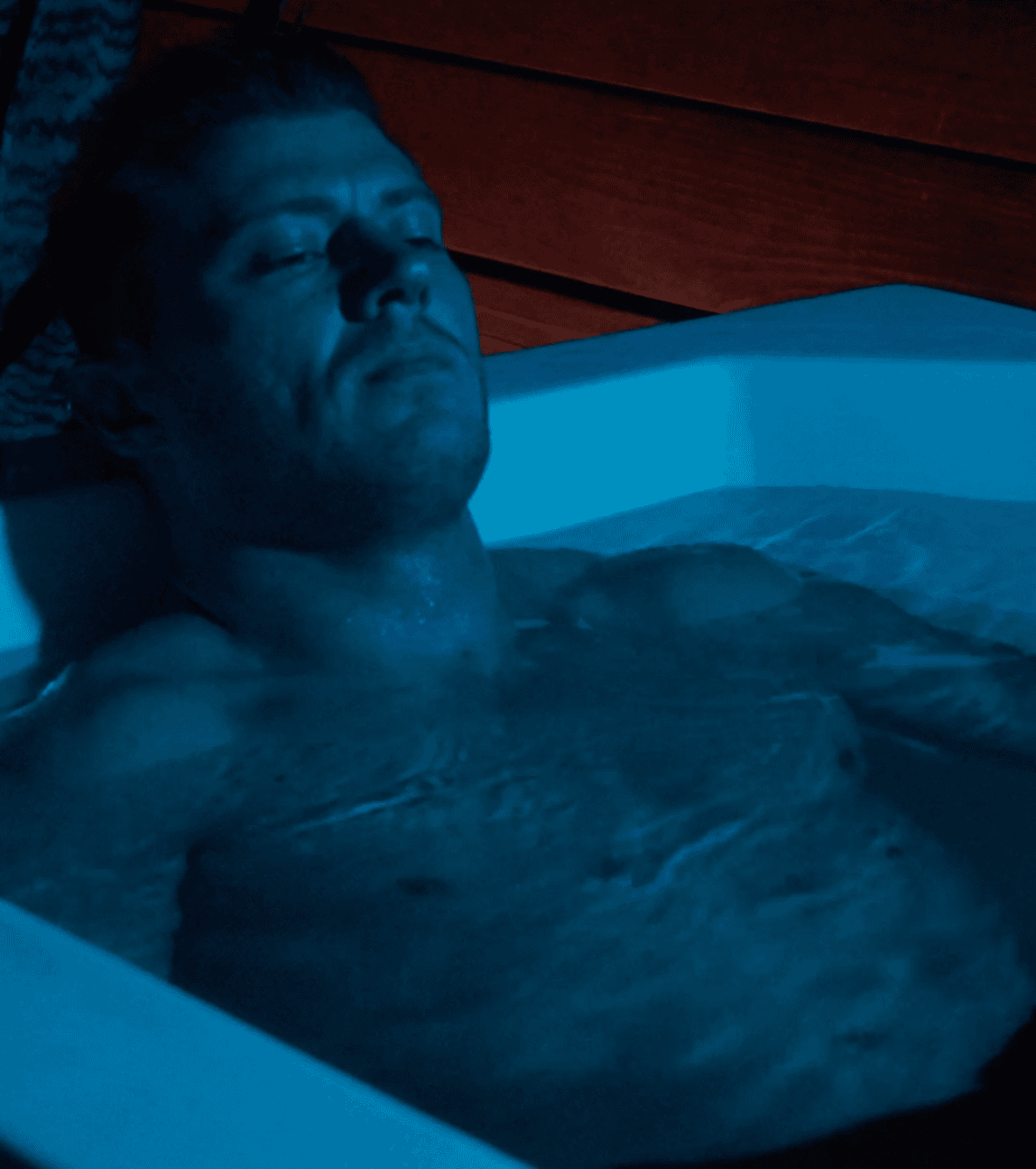
Our systems are designed to offer the best cold plunge experience by focusing on water movement. Instead of sitting in still water that your body gradually warms, our system continuously circulates water around you, ensuring the cooled water is always renewed at the skin for maximum effectiveness.
Think of it like a convection oven: moving air cooks faster than still air at the same temperature. Moving water cools faster than still water at the same temperature.
Because cooling efficiency is higher, people can often use warmer temperatures for shorter durations while reaching the same physiological response as colder, more uncomfortable immersion.
A Controlled Range, Not Just “As Cold As Possible”
Temperature alone does not define intensity — heat transfer does.
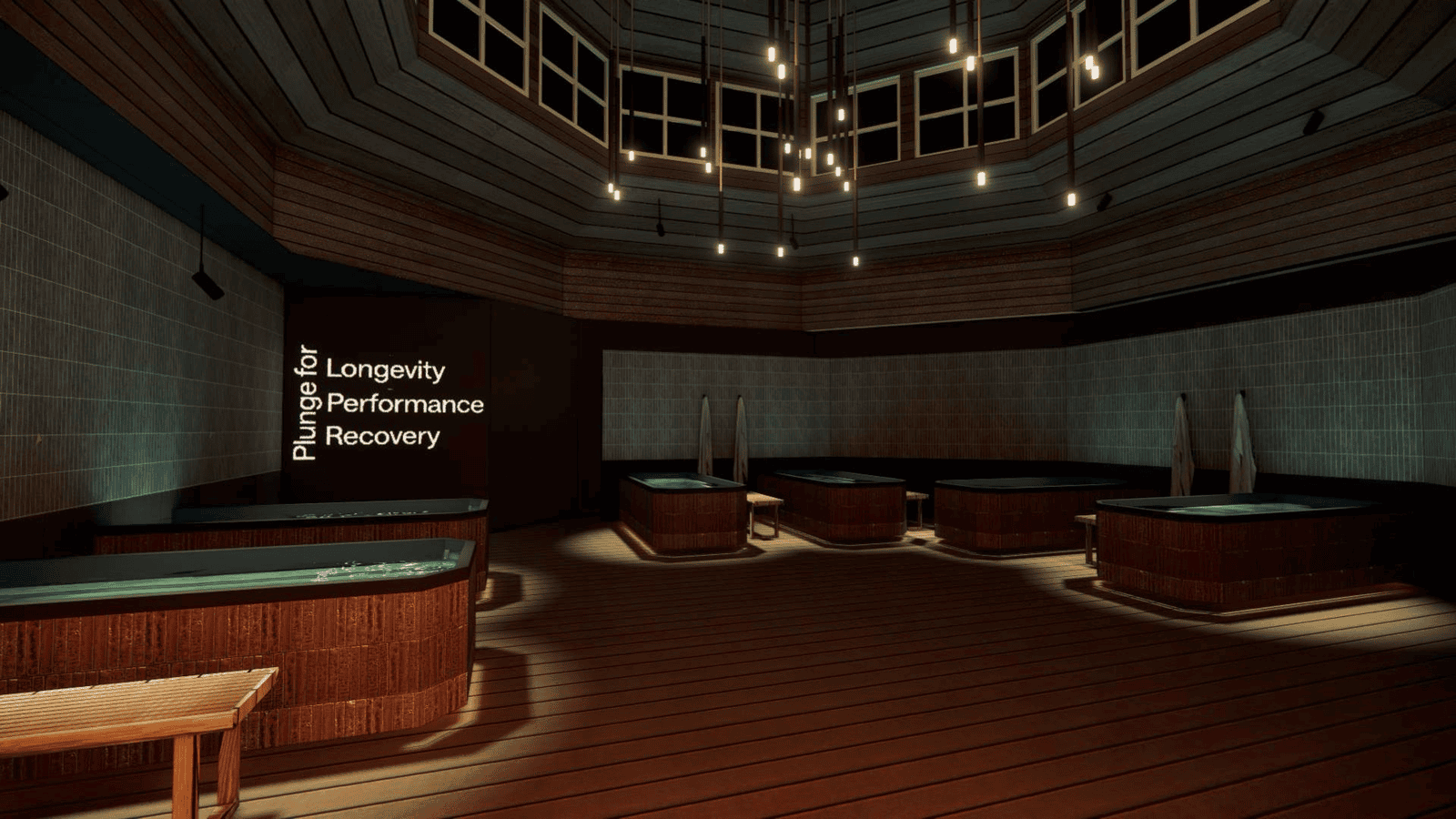
Our ice bath San Diego facility features a cold plunge with chiller setup that allows gradual exposure: you can begin warmer and calmer, then increase flow and lower temperature over time, down to approximately 38°F.
This lets new users adapt while experienced users still reach a strong cold stimulus.
Clean Water Between Every Use
Cold immersion is only valuable if the water quality is reliable.
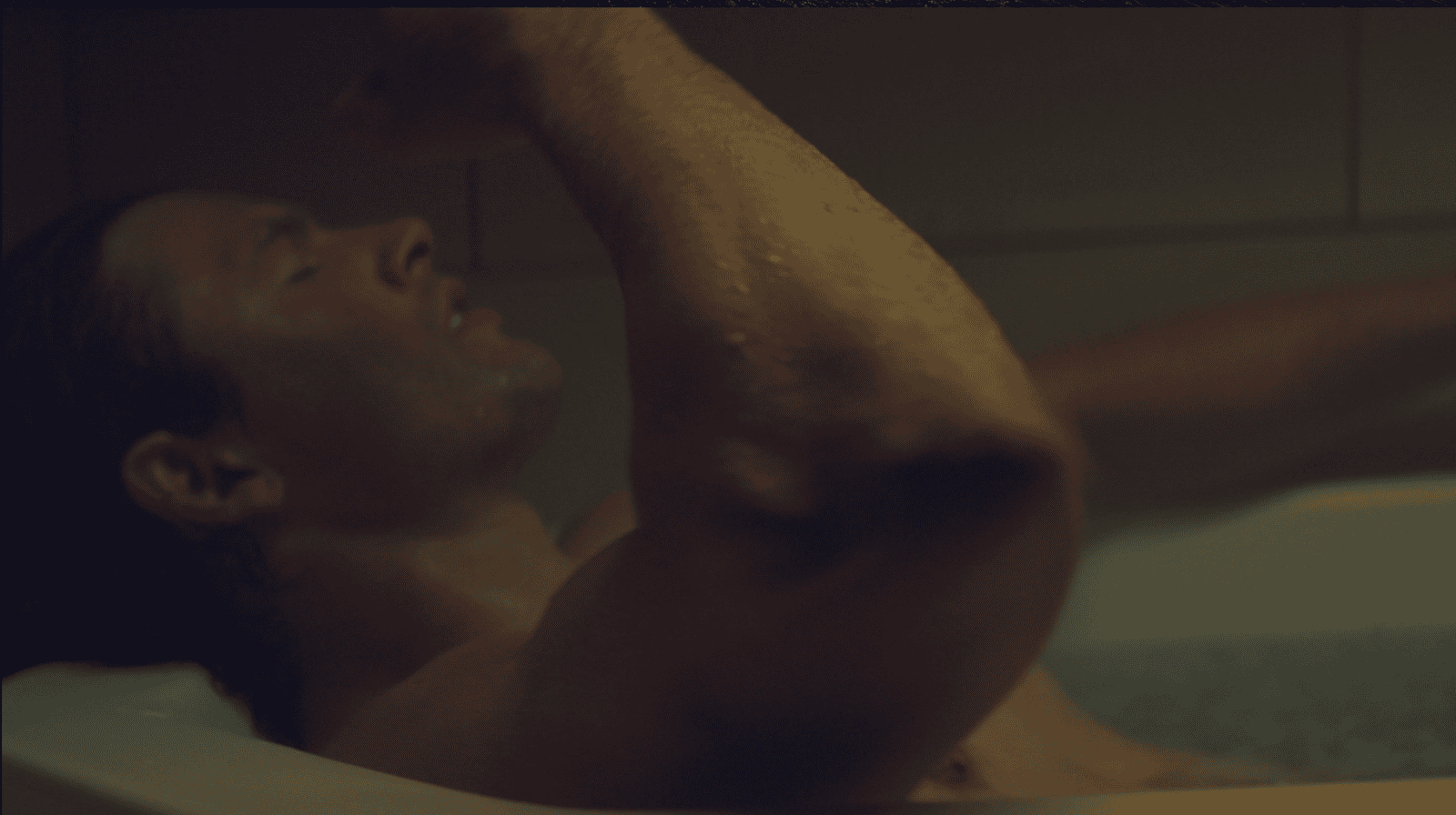
Our filtration system circulates the full volume of water approximately every five minutes through fine filtration and sanitation. That means by the time a session ends, the water has already been processed and prepared for the next guest.
The goal is to recreate the clarity of moving natural water rather than the stagnation of a soaking tub. Daily water exchanges and routine testing ensure consistent conditions throughout operation.

Why This Matters for the Experience
The combination of circulation and filtration changes how the plunge feels:
faster cooling
shorter exposure needed
consistent intensity
cleaner water
Instead of enduring the cold, you experience a controlled stimulus.
What Cold Exposure Is Studied For
Cold immersion has been widely studied in sports science and rehabilitation settings for its physiological effects after exertion and during training cycles, especially when paired with sauna recovery.
Research has examined associations with:
perceived muscle soreness reduction after exercise
recovery of power output between training sessions
nervous system activation and alertness
adaptation to repeated thermal stress
Cold exposure is not a cure or treatment — it is a stimulus the body responds to.
Our goal is to deliver that stimulus in a way that is measurable, repeatable, and comfortable enough to use consistently.
The Result
A cold plunge should not be a test of suffering.
It should be a controlled environmental input — repeatable, clean, and adjustable — so the body adapts over time. The purpose of our system is simple: effective cooling without unnecessary discomfort.